
San Diego Same-Sex Divorce Attorney
Ending a marriage or domestic partnership is difficult under any circumstances, but for LGBTQ+ couples in San Diego, the legal history of the relationship is more layered than typical opposite-sex divorce cases. You may have registered your domestic partnership (DP) years before legal marriage was even an option and built a household and finances together long before the law caught up. Maybe you used assisted reproduction to become parents but have no access to the paperwork other families would normally have.
A San Diego same-sex divorce attorney who understands the history, not just the heterosexual divorce norms, is essential for protecting what you have built. Bremer Whyte Brown & O’Meara has represented couples throughout San Diego’s LGBTQ+ community in courthouses across San Diego County. We understand that same-sex relationships often don’t fit into the framework that was built for opposite-sex couples.
Our attorneys represent spouses, registered domestic partners, and parents across every family configuration, applying the same preparation and discretion to every case, regardless of gender, orientation, or how the relationship began. If your divorce involves a domestic partnership, a pre-marriage history, or questions about parental rights, don’t rely on generic advice pages that aren’t created with you in mind. Call (619) 236-0048 or use our convenient online form to schedule a confidential consultation.


.2511070541334.png "Best Law firms | 2026")




What Is a Same-Sex Divorce and How Is It Different From Any Other Divorce in California?
Same-sex divorce is viewed as a standard California no-fault divorce, governed by the same Family Code, filed in the same courts, and subject to the same community property rules as any other divorce. There is no separate legal track, no unique filing process, and no difference in custody standards. What actually sets these cases apart isn’t the law itself; it’s the couple’s legal history, which is often years of commitment that existed before it was legally recognized.
The complex history of LGBTQ+ couples in the U.S. creates practical differences that a generic divorce process doesn’t address. You may have a registered domestic partnership that requires separate dissolution, alongside the marriage itself. There are also questions that most heterosexual couples don’t have to deal with. For example, property purchased after a domestic partnership is registered but before legal marriage can be more challenging to divide fairly.
Non-biological parents must also deal with the emotional upheaval of determining what their parental rights will be when they get divorced. Furthermore, spousal support calculations based on the legal marriage date can understate the real length of the committed relationship.
Property Division in Same-Sex Divorce
California is a community property state, which means that all assets and debts acquired by the couple during the marriage or domestic partnership are divided equally under Family Code Section 2550. Real estate, retirement accounts, businesses, and income earned during the relationship follow the same division rules as any other divorce.
Where it becomes more complicated for LGBTQ+ families is the period before same-sex marriage was legal. Many couples built a life together for years before they could legally marry. No matter how long the relationship was, assets acquired before marriage are presumptively considered separate property, unless otherwise stated in a legally binding agreement made before the legal marriage.
Domestic Partnership (DP) registration dates, cohabitation agreements, joint title, financial tracing, and settlement negotiation can all affect how the relationship is defined before legal marriage. Divorces become even more complex for couples who registered their domestic partnership in the 2000s and later married without terminating it. In such cases, couples must address their DP and their marriage, and characterization of the relationship may reach back to the DP registration date, not just the wedding date.
Parental Responsibilities: Parenting Time and Decision-Making
Child custody, visitation, and decision-making authority are decided based on what is in the child’s best interests regardless of their parents’ orientation or gender identity. If parentage is legally established, it carries the same custody and visitation rights as any biological parent. However, a parent without a biological or adoptive tie to their child can face challenges in their parental rights that other parents may never encounter.
California’s Uniform Parentage Act (UPA) protects parental rights by recognizing presumed parentage for parents who have taken a child into their home and raised them as their own without a biological or adoptive connection. The practical aspects of parents matter just as much as the legal standard. Assisted reproduction, surrogacy history, and donor agreements affect how parentage is recorded.
Second-parent or stepparent adoption is the strongest protection available for non-biological parents. It can make things significantly easier if you can establish parentage before initiating divorce proceedings. Developing a comprehensive parenting plan can make the divorce process easier for the whole family. Parenting plans should cover custody schedules, holidays, and decision-making authority over the child’s health, education, and welfare.
Alimony and Spousal Support in LGBTQ+ Divorce
Alimony in a California LGBTQ+ divorce is decided using the same guidelines that apply to all divorces in the state. Under Family Code Section 4320, courts consider the length of the marriage, each spouse’s earning capacity, the marital standard of living, and each spouse’s contributions to the marriage. A marriage of ten years or more is generally presumed to be a long-term marriage under Family Code Section 4336, which affects how long support obligations last.
The same-sex-specific difference shows up in how “length of marriage” is measured. Because legally recognized marriage wasn’t available to same-sex couples until relatively recently, counting duration from the legal marriage date alone can understate a relationship that actually spanned several decades. A domestic partnership registration date, evidence of pre-marital cohabitation, and the court’s discretion can all affect how the official timeline is measured.
Where to File: Jurisdiction in an LGBTQ+ Divorce
The standard residency rule for eligibility to file in California is six months living in the state, and three months living in San Diego County. However, for same-sex couples, there is a special exception available under Family Code section 2320(b). Couples who were married in California, but now reside in a jurisdiction that won’t dissolve their marriage, may file for divorce in the county they were married in even without meeting the typical residency requirement.
California also has unique rules governing the dissolution of registered domestic partnerships. Depending on the circumstances, a California registered domestic partnership may be dissolved in California even if one or both partners no longer reside in the state. Because these jurisdictional rules differ from those applicable to marriages, it's important to consult an attorney before filing
Our San Diego Same-Sex Divorce Lawyers
-
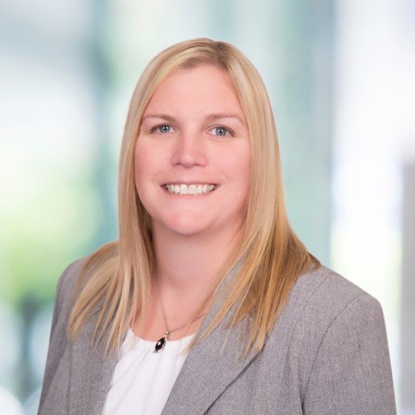
 Nicole WhytePartner, Certified Family Law Specialist
 -
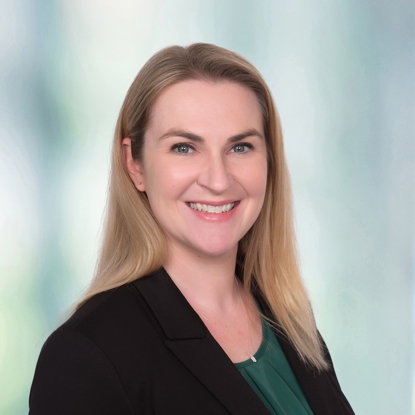
Nicole L. SchmidtPartner, Certified Family Law Specialist
-
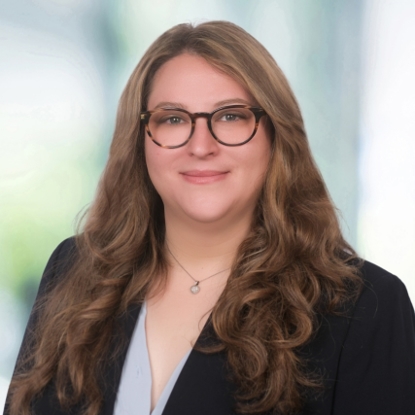
Sheila C. StilesPartner, Certified Family Law Specialist
-
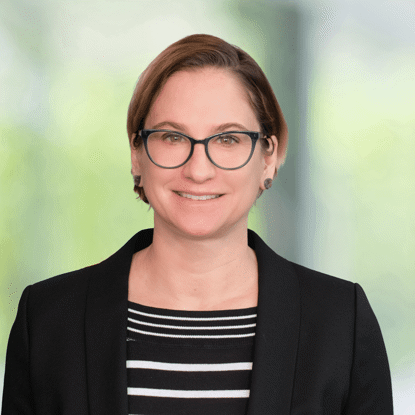
Jocelyn RussoPartner, Certified Family Law Specialist
-
Kendall E. YoungmanAssociate, Certified Family Law Specialist
-
Pamchal DeylamiPartner, Certified Family Law Specialist
-
Shannon K. MillerAssociate
-
Lauren SorsbyAssociate
-
Christina BatsakisAssociate, Certified Family Law Specialist
-
Kimberly A. DavisAssociate
-
Erin K. TomlinsonAssociate, Certified Family Law Specialist
-
Emily D. NevesAssociate








Why Choose Our San Diego Same-Sex Divorce Attorneys
Many divorce attorneys approach same-sex divorce the same way they handle any other case. At Bremer Whyte Brown & O’Meara, we take a different view: the unique legal distinctions of LGBTQ+ divorces require dedicated experience, not a one-size-fits-all approach. Here’s what sets our firm apart from other divorce law firms in California:
- Experience with double dissolutions. When a domestic partnership was never formally terminated before marriage, both statuses must be addressed simultaneously. We know how to navigate dual processes effectively.
- Parentage and UPA litigation. For non-biological or non-adoptive parents, we have provided guidance on establishing presumed parentage and defended parents under UPA regulations.
- Pre-marital property tracing. We document and characterize assets built together before marriage was legally available, using cohabitation agreements, joint titles, and financial records.
- Discretion and privacy. Family law matters are deeply personal. We prioritize discretion, confidentiality, and respectful representation throughout every stage of your case.
- Covering all San Diego County courthouses. We regularly appear at all courthouses across San Diego so we can show up for our clients where they need us most. We are here to help you navigate this situation in the least tumultuous way.
Serving All of San Diego County
Our San Diego same-sex divorce attorneys represent clients throughout San Diego County, including Hillcrest, North Park, University Heights, downtown San Diego, La Mesa, Chula Vista, Oceanside, Escondido, and Carlsbad. We appear regularly before the San Diego Superior Court at its Central Division downtown, the North County Courthouse in Vista, the East County Courthouse in El Cajon, and the South Bay Courthouse in Chula Vista.
Wherever you live in the county, and wherever your case is assigned, our attorneys bring the same preparation, discretion, and understanding of LGBTQ+ family law issues to every hearing and negotiation.
Call Now to Consult a Same-Sex Divorce Lawyer Serving San Diego, CA
Whatever your relationship’s legal history, it’s our job to protect your property, parental rights, and privacy through every stage of the process. If you aren’t the biological or adoptive parent of the children you share with your spouse, or if your domestic partnership was never addressed, we are here to provide the clarity you need to make informed decisions about your future. The sooner you know your options, the sooner you can move forward.
Call Bremer Whyte Brown & O’Meara at (619) 236-0048 to schedule a confidential consultation, or reach out through our contact form to get started.
Frequently Asked Questions
Is same-sex divorce more expensive?
LGBTQ+ divorces are not inherently more expensive. Costs depend on the complexity of the issues involved, not the couple’s gender or orientation. Cases involving domestic partnership dissolutions, contested parentage, or extensive pre-marriage property tracing can take more attorney time because there’s more legal history to document and resolve.
Do we have to dissolve our domestic partnership separately from our marriage?
If you registered a domestic partnership and later married without formally terminating the partnership, both need to be addressed in your divorce filing. Your attorney can review your registration and marriage records to confirm whether this applies to you so nothing is left unresolved once your divorce is final.
Can I get custody if I am not the biological parent?
Yes, a non-biological parent may have full parental rights if parentage has been legally established through marriage, adoption, or presumed parent status under California's Uniform Parentage Act (UPA). If parentage has not yet been established, it is important to address that issue as early as possible.

Client-Approved